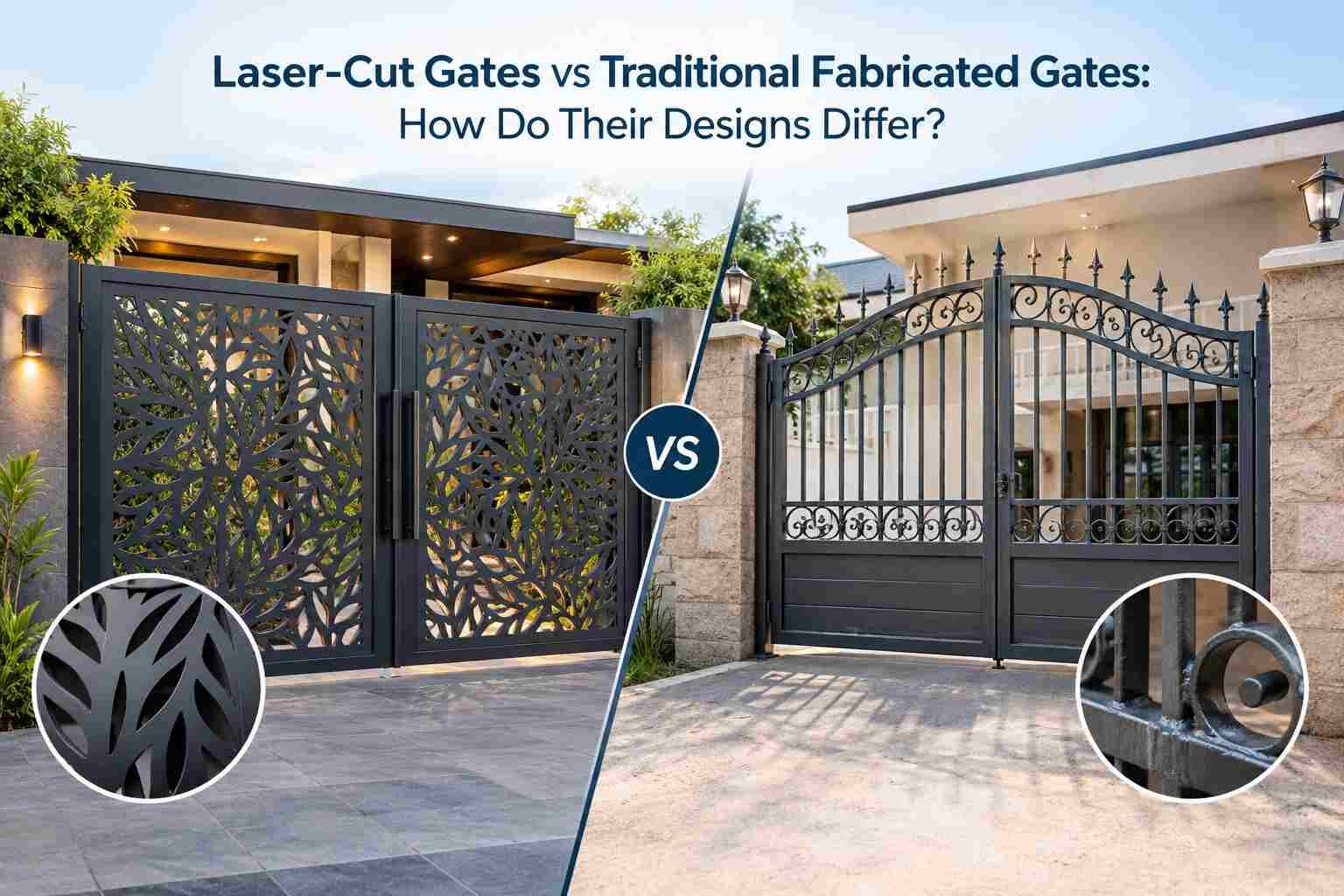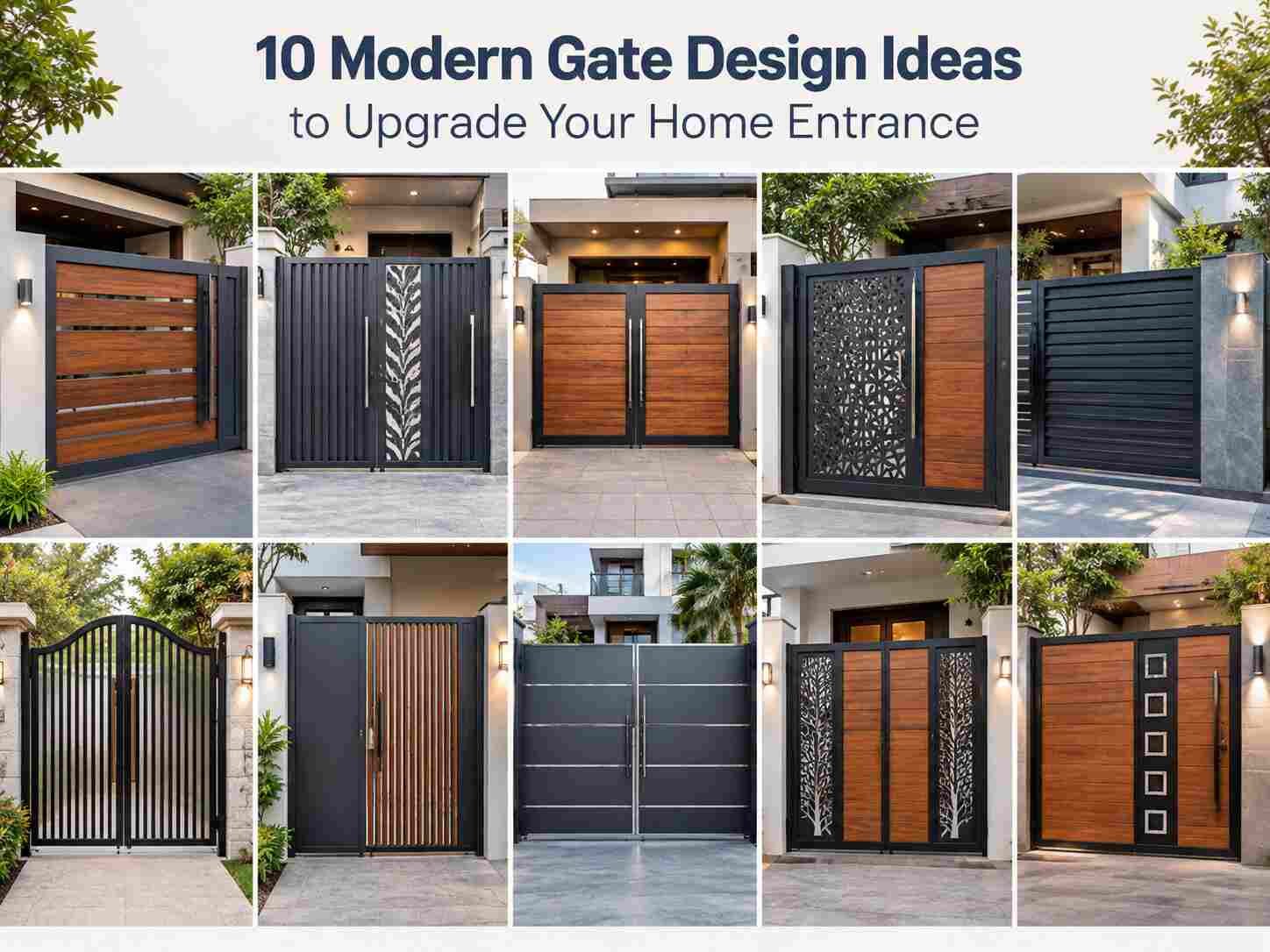
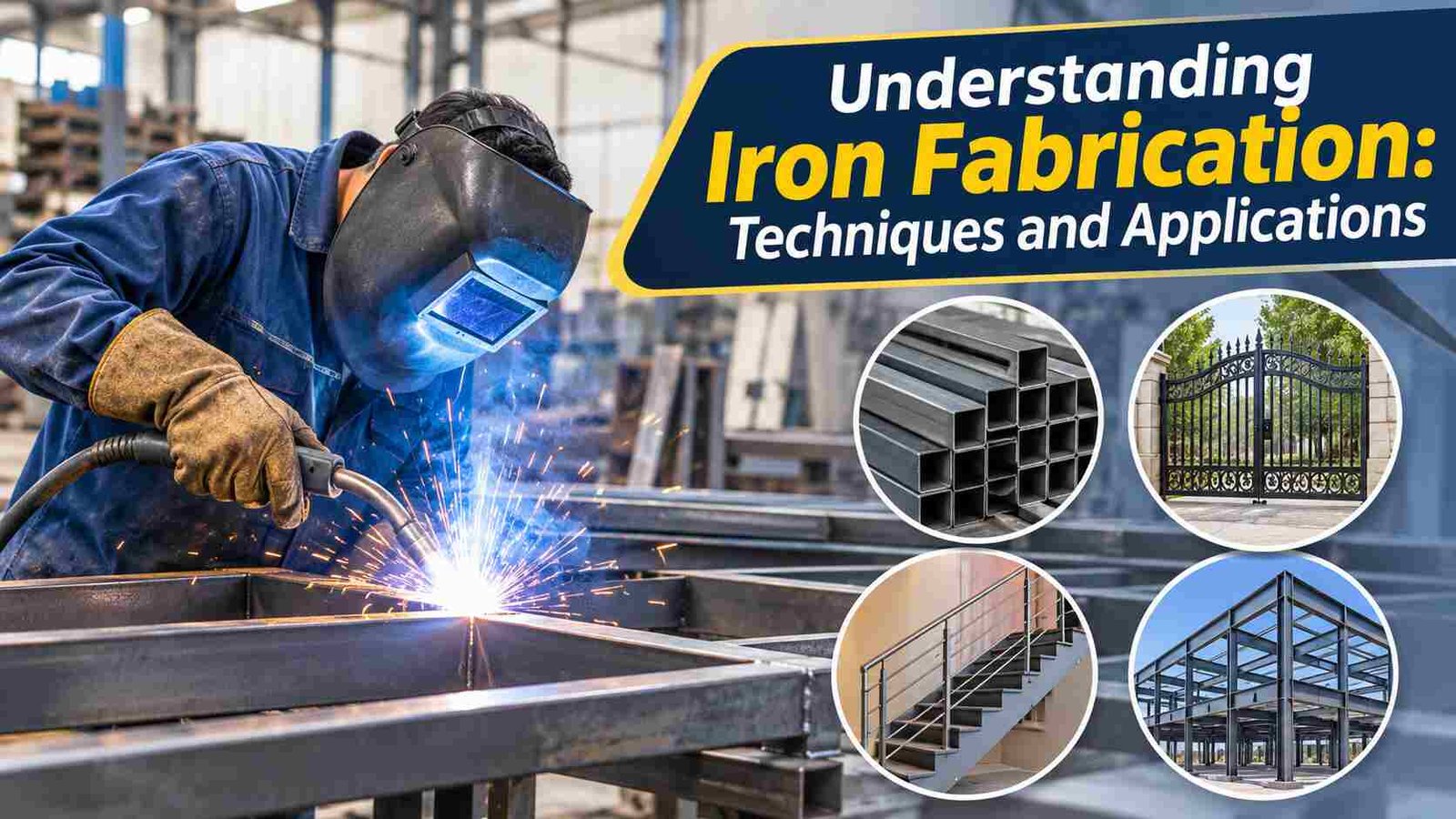
Have you ever thought about how sheets, rods, or sections of iron can be turned into gates, railings, frames, or even large-scale industrial structures? Iron Fabrication is the process of cutting, shaping, forming, and finishing metals so that they can be used for specific functions. It could be beautiful ornaments that are made of wrought iron or powerful beams and frameworks that form the basis of industrial structures; each fabricated product is created using the correct materials, measurements, and methods.
A trusted Steel Gate Manufacturer in Delhi NCR always keeps security, the look, and the daily utility in mind while manufacturing metal gates. In Bharat Steel Fabricator, we believe in understanding your intended purpose before suggesting the method of fabrication that will suit your gate design and space dimensions.
Understanding the Basics of Iron Fabrication
What really takes place in the process of manufacturing? It generally starts with an idea or drawing which describes the size, material, joints, and purpose of the final product. Then the metal is measured, cut, formed, assembled, and finished as per project requirements.
Steel fabrication works on almost the same principle, though one may use different materials and specifications for the constructions. Thus, it is not a surprise to see gates, frames, and other structures made of mild steel being cut, welded, and shaped into various configurations.
The quality of the final product is not just dependent upon the thickness of the metal but also other factors such as the accuracy of the measurements, the choice of materials, the strength of the joints and the quality of the finished product. Moreover, a good design and fabrication can reduce the problems associated with fittings during the installation
Which Iron Fabrication Techniques Are Commonly Used?
Different projects call for different approaches. The decorative railing, the thick reinforcement frame, and the industrial enclosure will most likely require different methods of fabrication. It all depends on the design, size, material, and expected stress.
Types of Fabrication Methods
These methods of Iron Fabrication enable the conversion of raw material to end products. Selection of the process must consider such factors as the thickness of the material, precision, level of complexity of design, and environmental conditions of use.
How Do Welding and Joint Strength Affect the Final Product?
Welding is a very important process in many fabrication undertakings, however, there are a number of other considerations that should not be overlooked when attempting to achieve a sturdy final product. It is vital that the weld should match the design of the metal, its thickness, and the forces acting on it.
Some of the welding methods that are normally used in welding the metals are the shielded metal arc welding, the gas metal arc welding (MIG), and the gas tungsten arc welding (TIG). It is important to recognize the various welding equipments and their application based on their suitability for the metal type, finish desired, joint configuration and environmental conditions.
For example, the joints in a gate frame should be carefully made to keep the gate from becoming crooked, whereas the connections in an industrial support structure should be made to meet certain loading specifications. The connections will differ in both their preparation and welding to avoid misalignment and deformation.
Thus quality testing becomes a necessity. An analysis of the product's dimensions, welding, alignment, and surfaces before installing it might be beneficial for finding any potential defects.
Where Is Custom Iron Fabrication Used?
Can there be one design of a fabrication suit for all the properties or industrial needs of a company? It is difficult for all the specifications of all the houses or buildings to be covered by using a generic approach in metal fabrications. However, with Custom Iron Fabrication, every need of a client can be fulfilled by the companies.
Common applications include:
Properties for residence and business: Iron gates and railing, window grill, stair railing, and security barrier.
Industries: Frames, support structures, metal housing and enclosures, and other structural parts.
Construction sites: Metal framework, brackets, and platform constructions.
Custom work: Custom-made frames, guarding, and other components designed for tight spaces.
Before launching into a project it is important to know the function of the piece, how much room is available for installing the item, what finish is required and what type of maintenance will be required.
Why Do Material Selection and Surface Finishing Matter?
Iron and steel objects are usually exposed to moisture, dust, temperature variation, and handling. If not protected from these elements, the surfaces of the metal will corrode and form rust on the metal surface.
Resistant to corrosion is based on the material used, environmental factors, surface preparation, and coating used. For different uses, one can choose between priming, painting, or galvanized coating.
Durable nature is also achieved through proper design considerations. There must not be water accumulation where joints meet, and all edges must be well finished. Outdoor components need more protection than indoor components since the latter are used in dry conditions.
If you are considering a metalwork project, get in touch with Bharat Steel Fabricator to discuss the dimensions and the use to which the metalwork will be put. Giving us a drawing or a photograph of what you have in mind will make the process easier.
How to Plan a Steel or Iron Fabrication Project
Effective planning would help to avoid unnecessary delays, wastage of materials, and problems during installation. The following factors should be taken into account before accepting the design:
Purpose: Establish whether the structure is decorative, protective, load-bearing, or intended for industrial use.
Measurements: Check the size of the area, openings, clearances, and mounting positions.
Material: Choose the right metal material and its thickness based on the design and load considerations.
Connections: Ascertain how each element is to be assembled together during installation.
Finish: Select proper surface treatment and corrosion protection depending on the environment.
Inspection: Check dimensions, joints, alignment, and finish before the product is installed.
In case of projects which require joint fabrication and installation, then having the services of a Steel Iron Fabrication in Delhi NCR can be very useful for you.
How Does Iron Fabrication Differ Across Applications?
The same process can lead to significantly different outcomes depending on the area of use. For example, a decorative gate should be smooth and decorated, more attention should be paid to the locking mechanism. At the same time, in an industrial setting, the focus is on the dimensions and the necessary reinforcement. In turn, a railing is subjected to specific requirements in the place of installation and associated safety standards.
Bharat Steel Fabricator uses such applications depending upon the practical application of any particular project. The design process takes into account how the product is to be used; this dictates materials, cutting techniques, joining processes, and finish.
It is not just about forming a metallic piece but about creating an entity that would fit into its designated place and serve its designed purpose.
Frequently Asked Questions
1. What is iron fabrication?
Iron works is a manufacturing process involving cutting, forming, assembling and finishing of iron or appropriate steel material in order to make objects such as gates, railings, frameworks among others.
2. Which materials are commonly used in fabrication?
Some of the common materials include mild steel, carbon steel, iron sections, metal sheets, rods, and structural steel sections. The choice of material is dependent on product design, load specifications, environment, and cost.
3. Which welding technique is best for iron fabrication?
There is no single best method for every project. Arc welding, MIG welding, and TIG welding have different advantages. The suitable technique depends on the material, thickness, joint design, and required finish.
4. How can fabricated iron products resist rust?
Appropriate surface preparation and protective coatings, such as primer and paint or galvanisation where suitable, can improve corrosion resistance. Regular inspection and maintenance also help preserve the finish.
5. What determines the cost of an iron fabrication project?
Cost depends on material type and quantity, design complexity, cutting and welding requirements, finishing, transportation, and installation. Accurate measurements and clear specifications help make estimates more reliable.
Conclusion
The manufacture of iron requires the procedure of manipulating metal, taking measurements, and employing correct processes in order to produce items which are then used in residential, commercial, and industrial places. Gaining information regarding these processes will enable you to make good decisions when purchasing fabricated metals.
Be it a gate, railing, metal frame or a customised structural component, iron fabrication requires that you have a clear idea of what you want. You can get in touch with Bharat Steel Fabricator to share your ideas, including the type of metal, size and application, and they will help you decide on the fabrication.